
Understanding EMDR Therapy: A Path to Healing
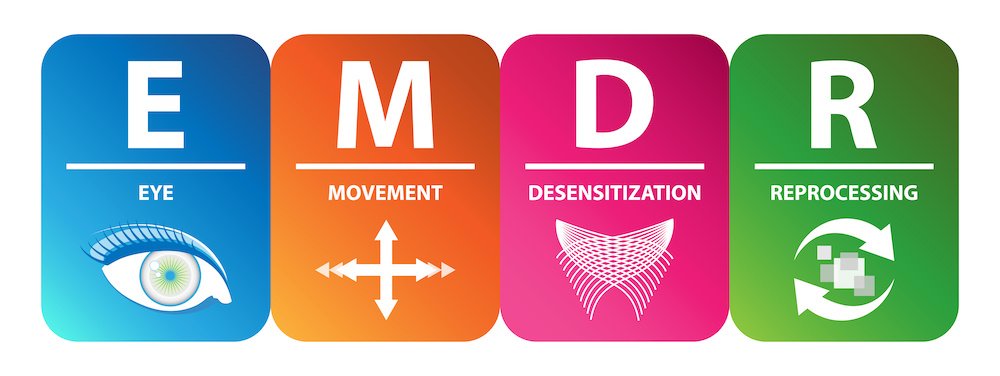
In the landscape of therapeutic techniques, Eye Movement Desensitization and Reprocessing (EMDR) stands out as a beacon of hope for individuals grappling with the aftermath of traumatic experiences and other psychological stressors. Developed by Dr. Francine Shapiro in the late 1980s, EMDR therapy is a structured, phased approach that has been empirically proven to help people recover from trauma and improve their quality of life.
What is EMDR Therapy?
EMDR therapy is based on the premise that the mind can heal from psychological trauma just as the body recovers from physical trauma. When a disturbing event occurs, it can get stuck in the brain with the original picture, sounds, thoughts, feelings, and body sensations. EMDR therapy facilitates the accessing and processing of traumatic memories to bring these to an adaptive resolution.
At its core, EMDR involves eight phases, focusing on the past, present, and future aspects of a traumatic memory. The most notable phase involves the patient recalling distressing images while receiving one of several types of bilateral sensory input, including side-to-side eye movements, hand tapping, or audio stimulation.
How Can EMDR Help?
EMDR therapy has been found effective for a wide range of psychological issues, not just PTSD. Here’s how it can help:
- Reduces Traumatic Stress: EMDR therapy helps diminish the distressing emotions associated with traumatic memories. Over time, individuals can recall the memory without experiencing the intense emotions initially tied to it.
- Decreases Anxiety and Depression Symptoms: By processing the underlying traumatic events, individuals often find relief from anxiety and depression symptoms, as these conditions are frequently linked to past trauma.
- Improves Self-Esteem: EMDR can help individuals process negative beliefs about themselves (e.g., “I am powerless” or “I am unworthy”) and replace them with positive ones, thereby improving self-esteem and self-worth.
- Enhances Coping Mechanisms: The therapy strengthens adaptive coping mechanisms by resolving past trauma, which, in turn, makes dealing with current and future stressors more manageable.
- Supports Emotional Stability: By resolving the emotional distress from past events, EMDR therapy promotes emotional stability and resilience, enabling individuals to engage more fully with their lives.
Who Can Benefit from EMDR?
EMDR therapy is suitable for adults and children with various issues, including but not limited to PTSD, anxiety, depression, and those struggling with the emotional fallout from adverse life experiences such as abuse, grief, or significant life changes.
Conclusion
EMDR therapy represents a significant advancement in the field of mental health, offering a ray of hope for those burdened by the weight of past traumas. By addressing the root cause of emotional pain and fostering the mind’s natural healing processes, EMDR paves the way for individuals to reclaim their lives and move forward with renewed strength and optimism. As more people turn towards EMDR therapy, its potential to transform lives continues to unfold, marking a pivotal shift in how we understand and treat psychological distress.